
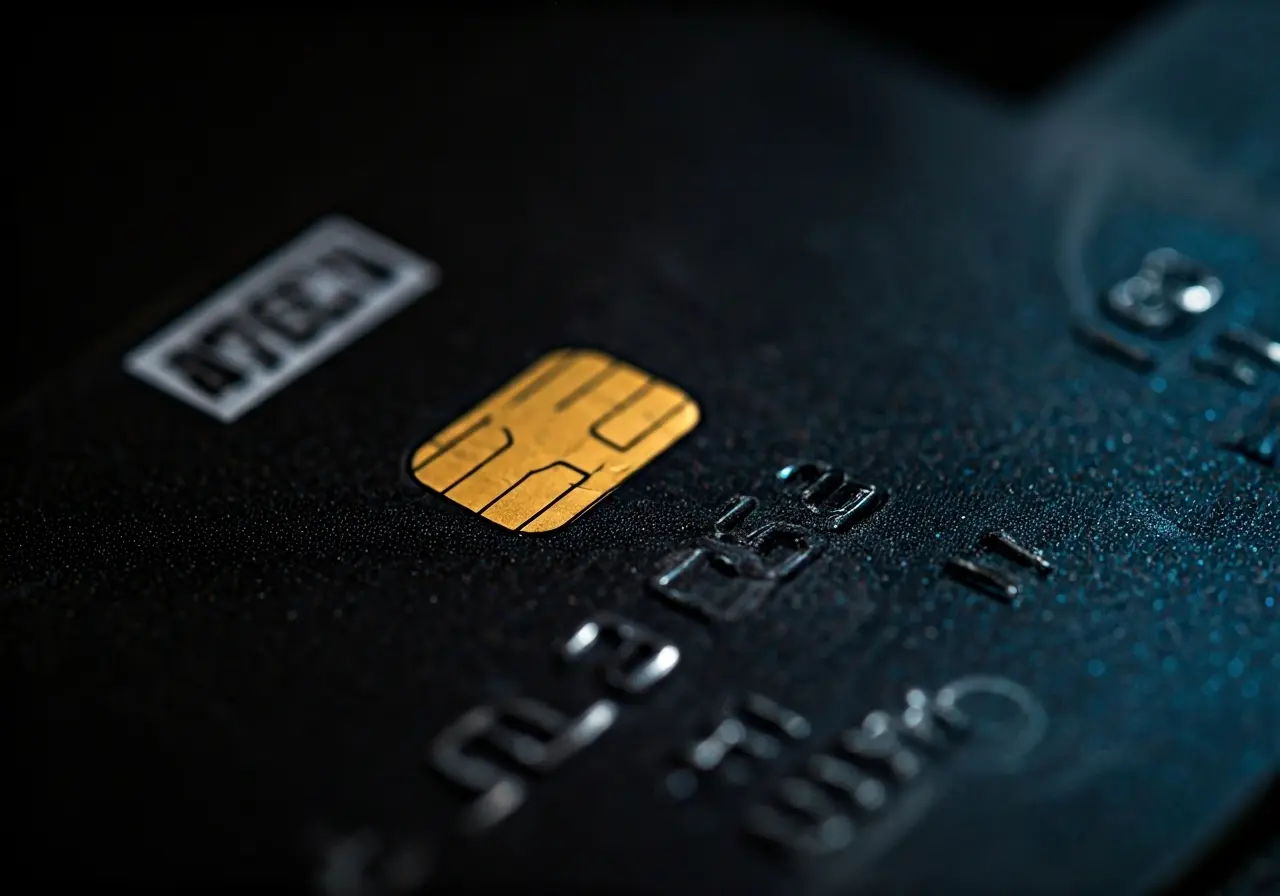
In today’s fast-paced digital economy, understanding the intricacies of credit card processing is essential for both consumers and businesses. From everyday transactions to online shopping sprees, credit cards are invaluable, but they also come with their own set of risks. In this blog, we’ll explore the key aspects of credit card processing and the security measures that protect users from fraud and theft.
Understanding Credit Card Processing
Credit card processing is the network of systems and protocols that facilitate credit card payments. When a customer swipes their card or enters their details online, a complex sequence of actions occurs behind the scenes to complete the transaction securely and efficiently.
At the heart of credit card processing are several key players: the Cardholder, the Merchant, the Acquirer, the Issuer, and the Payment Processor. The cardholder initiates the payment by providing their card information to the merchant. This step triggers a request from the merchant to the acquirer, who then forwards it to the payment processor. This processor acts as a middleman, checking with the cardholder’s bank (the issuer) for sufficient funds and authorization. These quick, yet intricate interactions ensure that transactions are not only effective but also secure, safeguarding both the consumer’s and merchant’s interests.
Moreover, what’s truly fascinating is how technology supports these transactions through vast, interconnected networks. Payment networks, such as Visa and MasterCard, enable the communication between these entities. They set protocols to ensure secure data transfer, which is fundamental in today’s digital economy. Through these streamlined processes, businesses can provide swift and seamless payment experiences to their customers, enhancing both checkout efficiency and overall satisfaction.
The Role of Merchants and Payment Gateways
Merchants, payment gateways, and acquirers are integral to the process. Merchants initiate transactions, while payment gateways securely transmit data to ensure the transaction is completed. Understanding their roles helps in appreciating the importance of secure processing systems.
Payment gateways serve as a digital point-of-sale, enabling online merchants to accept payments from customers. These gateways encrypt sensitive information, ensuring that details like credit card numbers and CVV codes remain protected during transmission. This is essential for maintaining consumer trust. A robust payment gateway also facilitates the approval or decline of transactions, based on criteria set by the issuer. For merchants, selecting the right gateway is crucial not only for security but also for improving customer experience. Faster processing times, multiple payment options, and low transaction fees can significantly enhance sales by providing a more attractive shopping experience.
As the digital era progresses, choosing a secure payment gateway is not just about the lowest fees. It encompasses factors like integration capabilities, user interface, and support for various types of payments, such as contactless and mobile transactions. Furthermore, gateways with built-in fraud detection systems offer an added layer of security, identifying potentially fraudulent activities in real-time and preventing them before they can escalate. By understanding the roles and capabilities of these entities, businesses can be better equipped to provide secure and reliable payment solutions to their customers.
Common Security Threats and Vulnerabilities
Despite technologically advanced systems in place, credit card processing remains vulnerable to fraud and data breaches. Common threats include phishing scams, data breaches, and identity theft. Awareness of these can help users protect sensitive information.
One of the most prevalent security threats is phishing, where attackers impersonate legitimate businesses to steal sensitive information. Phishing attacks are often carried out via email, directing unsuspecting users to enter their credentials on fake websites. It’s crucial for users to verify the authenticity of such requests before providing any personal information. Additionally, data breaches can compromise vast amounts of sensitive data, as seen in high-profile cases affecting millions of users. Businesses can mitigate such risks by implementing robust encryption methods and regularly updating software systems to patch vulnerabilities.
Identity theft remains another significant threat, often resulting from weak protective measures. Attackers can use stolen identities to make fraudulent purchases, leading to financial losses and damaged credit scores for individuals. There are also continuously emerging threats such as skimming devices, which capture card information at point-of-sale terminals. Being vigilant and recognizing unusual activity can help detect such threats early. Companies must also invest in heightened security measures, like EMV technology, to stay ahead of these challenges.
Best Practices for Secure Transactions
To mitigate risks, both businesses and consumers should adopt best practices such as using strong passwords, enabling two-factor authentication, and regularly reviewing account statements. Companies should also comply with security standards like PCI DSS to ensure consumer safety.
For businesses, incorporating secure transaction practices is non-negotiable. Aside from maintaining PCI DSS compliance, which mandates protective measures for any entity handling cardholder data, businesses should also invest in sophisticated fraud detection technologies. These systems analyze transaction data for anomalies, helping to identify and block potentially fraudulent activities in real-time. Regular security audits are recommended to identify any vulnerabilities.
Consumers, on the other hand, are encouraged to use credit monitoring services, which provide alerts for suspicious activities across accounts. Utilizing digital wallets can also enhance personal security by encrypting card information and eliminating exposure during transactions. Additionally, embracing new technologies such as tokenization helps protect personal data by substituting sensitive information with unique digital identifiers during transactions.
The Future of Credit Card Security
As technology evolves, so do the strategies for securing credit card transactions. The future holds promising innovations such as biometric authentication and blockchain technology, aiming to make credit card processing not only more secure but also more efficient.
Biometric authentication, such as fingerprint and facial recognition, is gaining popularity as an alternative to traditional passwords. By utilizing unique physical traits, these methods provide enhanced security against unauthorized access. Not only do they streamline the user experience by simplifying authentication, but they also reduce the likelihood of data breaches—since biometric data is significantly harder to replicate or steal.
Blockchain technology is another groundbreaking advancement contributing to secure credit card processing. By decentralizing data storage, blockchain makes it virtually impossible for hackers to manipulate transaction records. This technology promises to enhance transparency and trust in financial transactions, paving the way for a more secure digital commerce environment. As these technologies mature, they promise to deliver an era of more robust credit card security, offering peace of mind to consumers and businesses alike.
Wrapping It All Up: Secure and Smart Credit Card Processing
Credit card processing plays a critical role in modern commerce, making it crucial to understand how it works and how to keep transactions secure. By staying informed and adopting good practices, businesses and consumers alike can enjoy the benefits of credit cards while minimizing risks. Armed with this knowledge, you can navigate the world of credit card transactions with confidence. For more information on improving your business’s payment processing security, visit our homepage to explore our comprehensive solutions.