
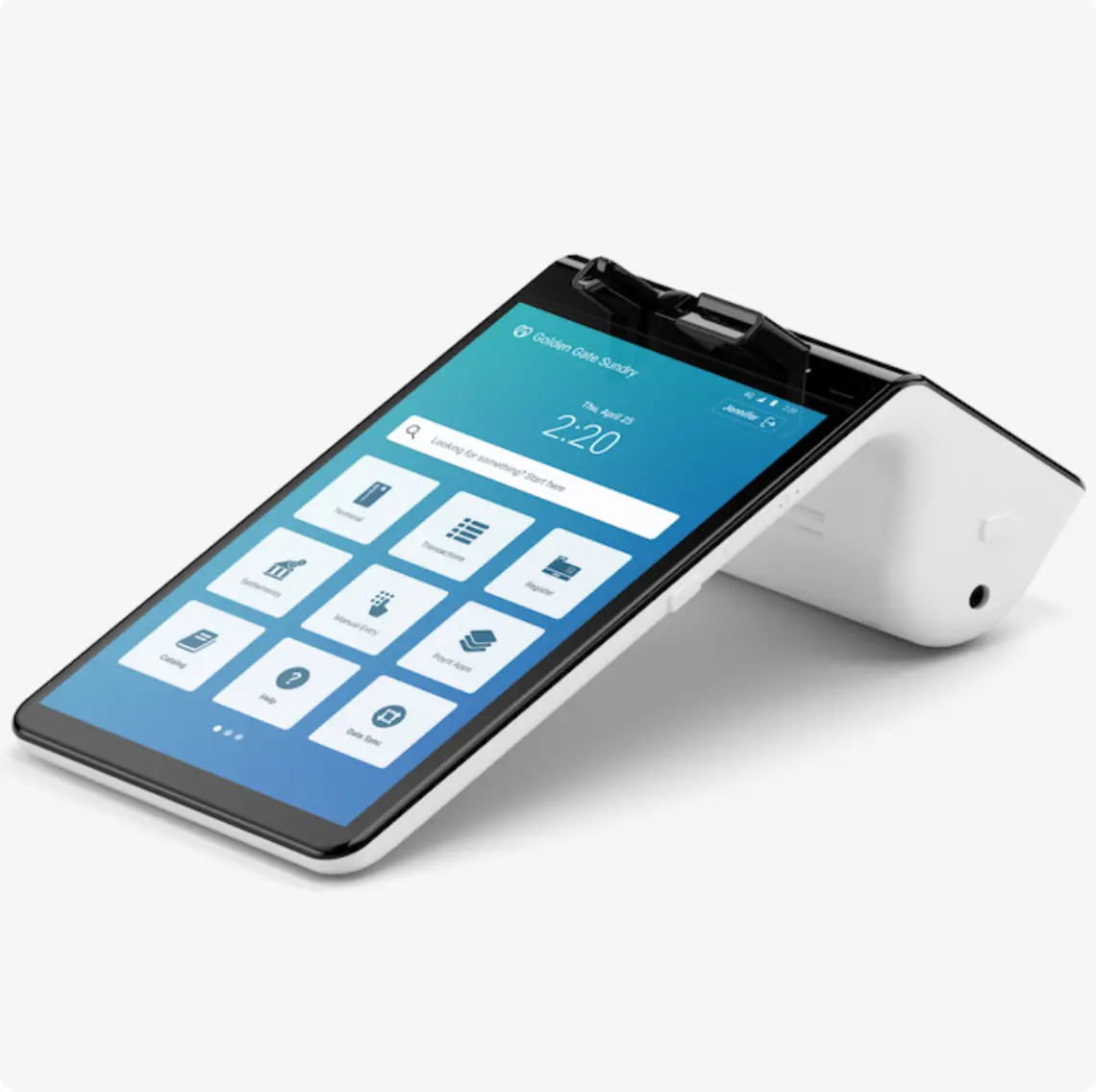
In a world that’s rapidly shifting towards digital solutions, smart terminals are changing the way we handle transactions. These innovative devices have been quietly transforming the payment landscape, offering businesses and consumers more flexibility and security. This blog explores how smart terminals are revolutionizing the way we pay.
Understanding Smart Terminals
Smart terminals are payment processing devices that integrate sophisticated software to facilitate a range of payment methods, including contactless, mobile payments, and more. They go beyond traditional point-of-sale systems by offering enhanced features that cater to both merchants and customers.
At the heart of smart terminals is their ability to adapt to diverse consumer needs and changing market trends. These devices support an array of payment options, ranging from credit cards and e-wallets to NFC-enabled transactions. With their sleek designs and user-friendly interfaces, they not only speed up transactions but also ensure a more personalized shopping experience. Retailers are increasingly turning to smart terminals to integrate loyalty programs, manage customer data, and offer targeted promotions, ultimately elevating the way they engage with customers.
The Benefits of Smart Terminals for Businesses
For businesses, smart terminals offer more than just a way to accept payments. They provide powerful tools to enhance customer experience, streamline operations, and improve efficiency. From detailed sales analytics to inventory management capabilities, these terminals help businesses make data-driven decisions.
One of the pivotal advantages of smart terminals is their capability to deliver real-time insights. Businesses can access comprehensive transaction reports, helping them to understand consumer behavior better and adjust their strategies accordingly. This data not only fosters improved decision-making but also paves the way for more effective marketing campaigns. Moreover, smart terminals often come equipped with cloud functionalities, allowing seamless integration with existing business systems and providing the flexibility to manage operations from anywhere. This streamlined approach can be particularly beneficial for small and medium-sized enterprises looking to maximize efficiency without significant overhead costs.
Another essential feature is the ability to seamlessly integrate with accounting and bookkeeping software. This integration reduces the risk of human errors, saving valuable time for business owners and employees. By automating routine tasks such as inventory checks and accounting reconciliation, businesses can focus more on their core activities, improving overall productivity and profitability. The simplified interfaces and intuitive functionalities of smart terminals also mean less training for staff, facilitating quicker adoption and operational readiness.
How Smart Terminals Enhance Customer Experience
Consumers benefit from the seamless, fast, and secure transactions offered by smart terminals. Features like contactless payments and digital receipts add convenience to their shopping journey, making purchases quicker and easier than ever before.
In addition to speed and convenience, smart terminals offer a more interactive and engaging shopping experience. Many smart terminals feature touchscreen displays and customized interfaces that guide consumers through their purchasing journey. For instance, they can suggest upsell options, promote discounts, and present dynamic receipt options like email or SMS, all contributing to a more tailored shopping experience. These features not only enhance shopping satisfaction but also encourage return visits and foster customer loyalty.
Smart terminals also significantly reduce the friction points typically associated with checkout processes. The ability to process multiple payment options without fumbling for cash or cards is a major boon for both consumers and retailers. Furthermore, some smart terminals integrate with customer loyalty programs, allowing shoppers to earn and redeem rewards easily at the point of sale. This seamless blend of payment and customer engagement functionalities helps businesses retain customers by offering an enticing mix of efficiency, rewards, and personalization.
Security Features of Smart Terminals
Security is a top priority in payment processing, and smart terminals are equipped with robust security features to protect sensitive transaction data. With encryption and tokenization, they ensure that payment information stays safe from cyber threats.
The advanced encryption used in smart terminals ensures that sensitive data is unreadable in transit, safeguarding it from potential breaches. Tokenization further enhances this security by replacing sensitive card details with unique tokens, making it virtually impossible for unauthorized parties to access actual card numbers. Coupled with compliance with industry standards such as PCI DSS, these security measures provide peace of mind to merchants and consumers alike.
Additionally, many smart terminals include two-factor authentication and biometric verification options, adding extra layers of protection against fraudulent activities. This multifaceted approach to security reassures customers that their finances are well-protected while also aiding businesses in safeguarding their reputations. In an era where data breaches are increasingly common, the security features of smart terminals serve as a critical line of defense in maintaining trust and integrity in digital transactions.
The Future of Payments with Smart Terminals
As technology continues to evolve, smart terminals are set to introduce more advanced features, such as AI-driven insights and further integration with the Internet of Things (IoT). These developments promise to further revolutionize the payment landscape, creating new opportunities for businesses and consumers alike.
Imagine walking into a store where your shopping preferences are recognized instantly by smart terminals, tailoring the shopping experience to your liking. This is not just a futuristic vision but a real possibility with the incorporation of AI into payment systems. AI can analyze purchasing patterns to offer personalized discounts or suggest complimentary products during transactions. Furthermore, integration with IoT devices could allow smart terminals to process payments for a variety of new applications, such as automated vending machines, smart cars, and connected home devices, making transactions more seamless and ubiquitous than ever.
With the advent of 5G technology, smart terminals will likely see enhanced performance capabilities, handling complex transactions more swiftly while maintaining robust security levels. This advancement will open avenues for enhanced mobile payment solutions, further bridging the gap between online and offline commerce. As these technologies mature, businesses need to stay informed and prepared to harness their potential, ensuring they remain at the forefront of consumer trends and preferences.
Embracing the Future of Payments
As we’ve seen, smart terminals are more than just another gadget in the payment ecosystem. They represent a significant leap forward in how we think about transactions, blending convenience with advanced technology to meet the demands of modern consumers. With their continued evolution, smart terminals promise to keep leading us into a more efficient, cashless future.