
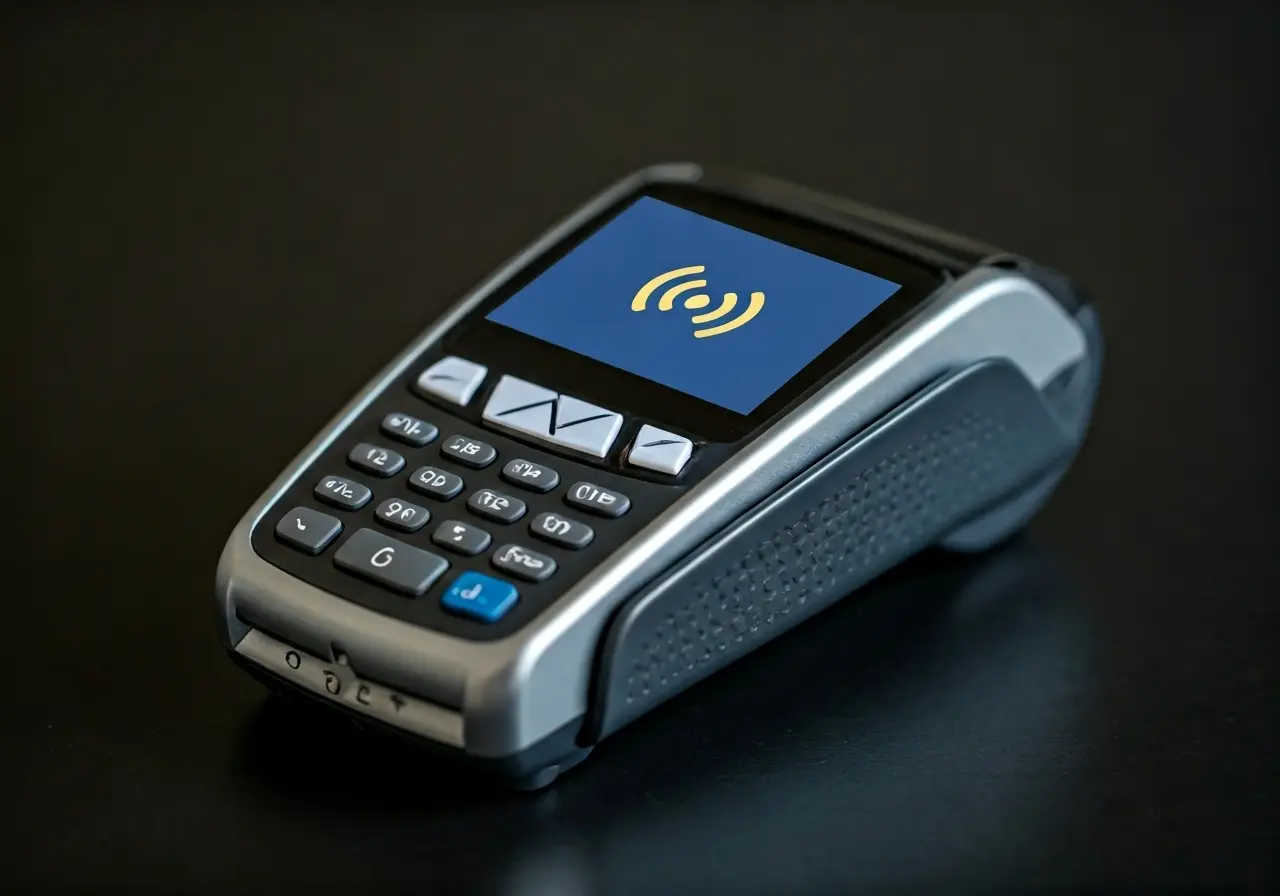
In today’s fast-paced world, the way we handle transactions is continuously evolving. Credit card terminals, once simple devices for swiping cards, have transformed dramatically over the years. This blog explores how these essential tools have developed and what you need to know about their ongoing evolution.
The Beginnings: From Imprinters to Electronic Terminals
Credit card processing began with the manual use of imprinters in the mid-20th century. These mechanical devices were revolutionary at their inception, enabling merchants to efficiently record card details by creating carbon copies. Despite their innovation, they were also cumbersome and prone to errors, relying heavily on trust between merchant and customer. As electronic terminals emerged in the 1970s, they represented a drastic shift in the payment process. These new devices utilized modem technology to process transactions, cutting down on time and significantly increasing accuracy. The advent of electronic terminals not only streamlined operations but also laid the groundwork for modern-day payment solutions.
The transition from imprinters to electronic terminals marked the start of a technological renaissance in payment processing. Retailers embraced these changes, happy with the shortened processing times and enhanced reliability. This transformation was not just a technological leap but a redefinition of the customer experience, paving the way for the digital transactions we see today.
The Growth of Magnetic Stripe Technology
The 1980s heralded the widespread adoption of magnetic stripe technology, introducing a new dimension to credit card terminals. This technology allowed for automatic data transfer, minimizing human error and the possibility of fraudulent transactions. The ‘magstripe’, as it was commonly known, contained all the necessary information about the cardholder, enabling transactions to be conducted swiftly. It was a critical development in making credit and debit card payments a staple of commerce.
Magnetic stripe technology wasn’t just a simple upgrade; it revolutionized how we viewed consumer transactions. Coupled with PIN systems, it set new standards for the security and convenience of payment processes. Retailers and consumers alike embraced this newfound ease of use, reshaping shopping patterns and consumer expectations around the world.
Despite the revolutionary impact, the magstripe faced vulnerabilities in terms of security. Over time, criminals learned to exploit its static nature. However, this spurred the development of more secure technologies, demonstrating how each evolutionary step inevitably leads to further innovation.
The Advent of Chip and PIN
With rising concerns about security, the financial industry turned to EMV technology in the early 2000s. Named after its developers—Europay, Mastercard, and Visa—this chip and PIN technology offered improved security features. Unlike the static information stored on magnetic stripes, the data on EMV chips changed with every transaction, making it exceedingly difficult for fraudsters to clone cards.
The implementation of chip and PIN systems resulted in a notable decline in card-present fraud cases. This advancement significantly bolstered consumer trust, encouraging wider adoption of electronic payments. By securely encrypting transaction data, it protected both consumers and businesses from potential financial losses, underlining the commitment to advancing payment security.
Beyond improved security, chip and PIN technology streamlined the checkout process, reducing the time needed for each transaction. As a result, it enhanced customer satisfaction and increased transactional throughput for businesses—benefiting the overall efficiency of the retail environment.
Contactless and Mobile Payments: The New Frontier
As we transitioned into the digital age, contactless payments emerged as the new norm. With the proliferation of NFC technology, consumers could execute transactions by simply tapping their cards or smartphones on a contactless terminal. This method significantly reduced transaction times, enhancing the shopping experience.
Mobile wallets, such as Apple Pay and Google Wallet, embraced this technology, providing users with the convenience of making purchases without the need for physical cards. By integrating payment capabilities into smartphones, these platforms further personalized and secured the transaction process. The growing preference for contactless and mobile payments reflects an increasing demand for convenience and speed.
Interestingly, the COVID-19 pandemic accelerated the adoption of contactless payments as people became more health-conscious about minimizing physical contact. This shift in consumer behavior has further entrenched contactless solutions into our daily lives, indicating their importance in the future landscape of payment processing. The new possibilities presented by contactless technology are continually shaping both consumer expectations and the nature of payment interactions.
The Future: Smart Terminals and Beyond
Looking ahead, the integration of smart technology into credit card terminals is positioning them as comprehensive solutions for businesses. With innovations like artificial intelligence, smart terminals are set to revolutionize transactional security and efficiency. AI-driven antivirus software and real-time analytics promise a future where transactions are not just quick, but anticipatory of consumer needs.
Further developments in NFC capabilities and biometrics are enhancing how transactions are validated, reducing reliance on conventional methods like PIN codes. These initiatives provide faster and more intuitive payment methods that can adapt to evolving consumer preferences and security needs. As these technologies advance, they present opportunities for businesses to engage customers in new and meaningful ways.
The future of credit card terminals is deeply intertwined with the growth of IoT devices. Imagine a world where your refrigerator orders groceries on your behalf—a possibility thanks to these smart integrations. As these concepts become realities, the payments landscape will continue to transform, offering a seamless and interconnected experience. By embracing these futuristic developments, businesses can stay competitive in an ever-evolving market.
Embracing the Future of Payment Processing
As we continue to move towards a more digital and cashless society, credit card terminals will keep evolving. By understanding their history and the latest advancements, businesses can better prepare for the future of payment processing. Staying informed will ensure you make the best decisions when it comes to choosing and using these crucial tools.