
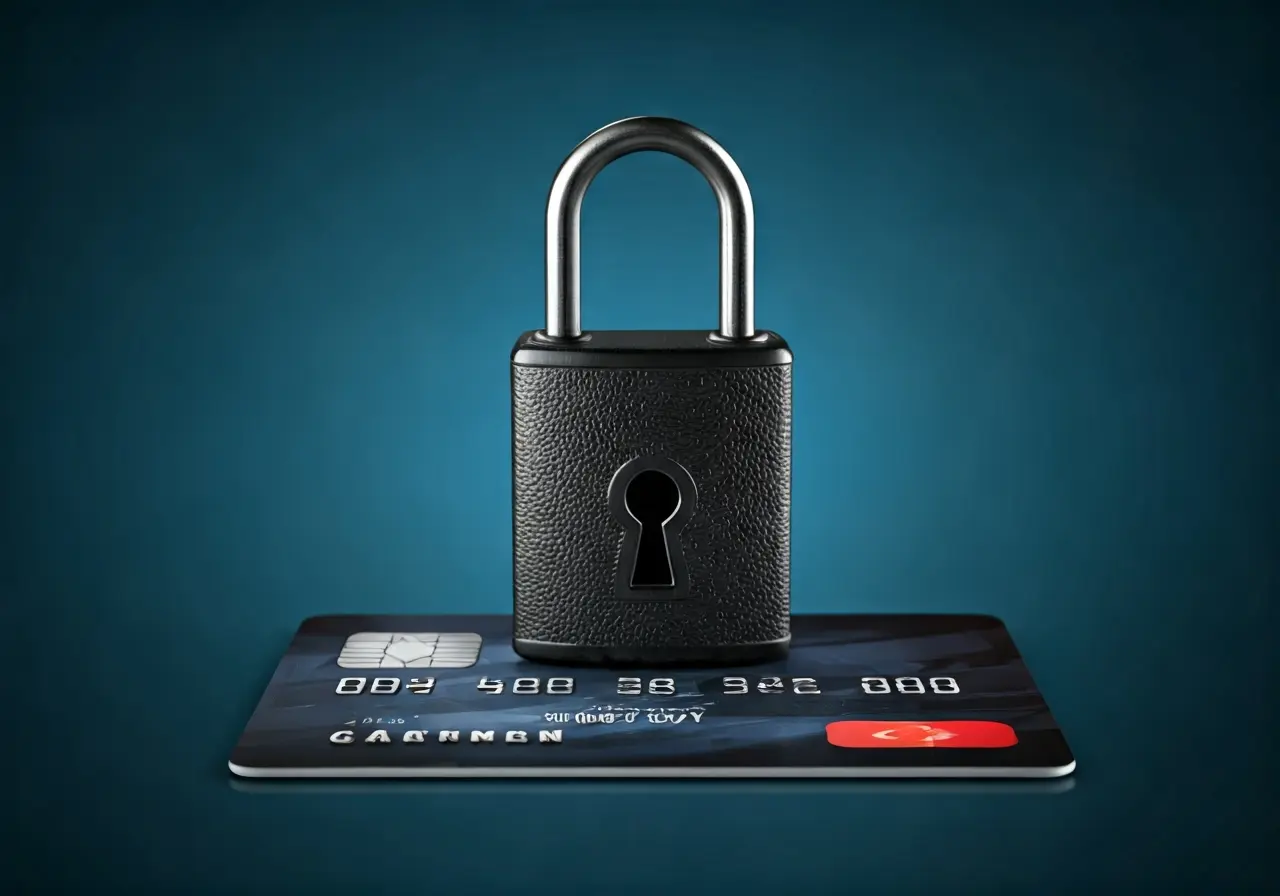

Understanding the Basics of Credit Card Processing
Before diving into security measures, it’s essential to understand how credit card processing works. From the initial swipe to the final approval, each step involves sensitive data that needs protection. When a customer uses their card, data is sent to the payment gateway, which encrypts and forwards it to the payment processor. The processor checks with the customer’s bank for sufficient funds and returns an approval or decline. This entire process, although seamless and quick, is highly susceptible to cyber threats at each point, which makes understanding it crucial for developing an effective security strategy.
Understanding the intricacies of this system not only aids in choosing better security protocols but also boosts consumer confidence. Customers are more likely to trust and engage with businesses that demonstrate a clear understanding and commitment to safeguarding their data. Ignoring these fundamentals can lead to dire consequences, including data breaches that can cost your business in both fines and reputation.
The Importance of PCI Compliance
Compliance with the Payment Card Industry Data Security Standards (PCI DSS) is essential for businesses of all sizes. These guidelines help ensure that you are handling customer information securely and can prevent costly data breaches. Following PCI standards is not just a legal requirement; it’s a clear signal to your customers that their data is in safe hands, enhancing your business credibility in the marketplace.
Achieving PCI compliance involves several steps, including vulnerability management, implementing access control, and maintaining an information security policy. Regularly reviewing these measures keeps your security posture agile and ready for emerging threats. Firms that foster a culture of security awareness not only shield themselves from financial penalties but also cultivate trust among digital-savvy consumers.
Implementing Encryption and Tokenization
Protecting credit card data through encryption and tokenization adds vital layers of security. While encryption scrambles the data to make it unreadable without a key, tokenization replaces sensitive card details with a unique identifier, rendering them useless to hackers. Implementing these technologies can dramatically reduce the risk of data theft. Encryption ensures data is secure during transmission, while tokenization protects it at rest, offering a comprehensive security stance.
The combination of encryption and tokenization can also help your business comply with stringent data protection regulations. By investing in these technologies, you position your company as a forward-thinking entity that prioritizes data privacy—a key differentiator in today’s competitive market. Plus, as attackers become more sophisticated, these techniques become fundamental in outpacing potential security threats.
Choosing a Secure Payment Gateway
A secure payment gateway acts as a bridge between your website and the payment processor, handling transactions in a safe and encrypted manner. Selecting a trustworthy provider is crucial in maintaining your customers’ trust and security. Look for gateways that offer features like data encryption, fraud detection, and a seamless user experience. Ensuring your payment gateway is secure prevents the interception of data by malicious actors.
Some gateways provide additional services such as recurring billing, which can automate the billing process for subscription-based businesses. Being able to offer various payment options without compromising security could be a significant competitive advantage, as it broadens your potential customer base. Remember, customers today value convenience but expect it not to come at the cost of security.
Staying Ahead with Regular Security Audits
Conducting regular security audits can help identify vulnerabilities before they become threats. By evaluating your systems and processes, you can ensure they meet current security standards and adapt to new challenges as they arise. A proactive approach to security audits not only helps in anticipating attacks but also in meeting compliance requirements more consistently. These audits are a chance to update policies and improve incident response plans, thus enhancing your overall security posture.
Beyond the technical aspects, frequent audits encourage a culture of security awareness among employees. This culture empowers your team to be the first line of defense against internal and external threats. Employees educated on security best practices can make informed decisions in their daily operations, ultimately safeguarding the organization from potential breaches.
Securing the Future of Digital Transactions
As we continue to navigate the digital age, the importance of secure credit card processing cannot be overstated. By implementing the tips discussed in this blog, you’ll not only protect your customers’ data but also bolster their trust in your business. Stay proactive with emerging security technologies and foster a safe environment for digital commerce by visiting our homepage.