
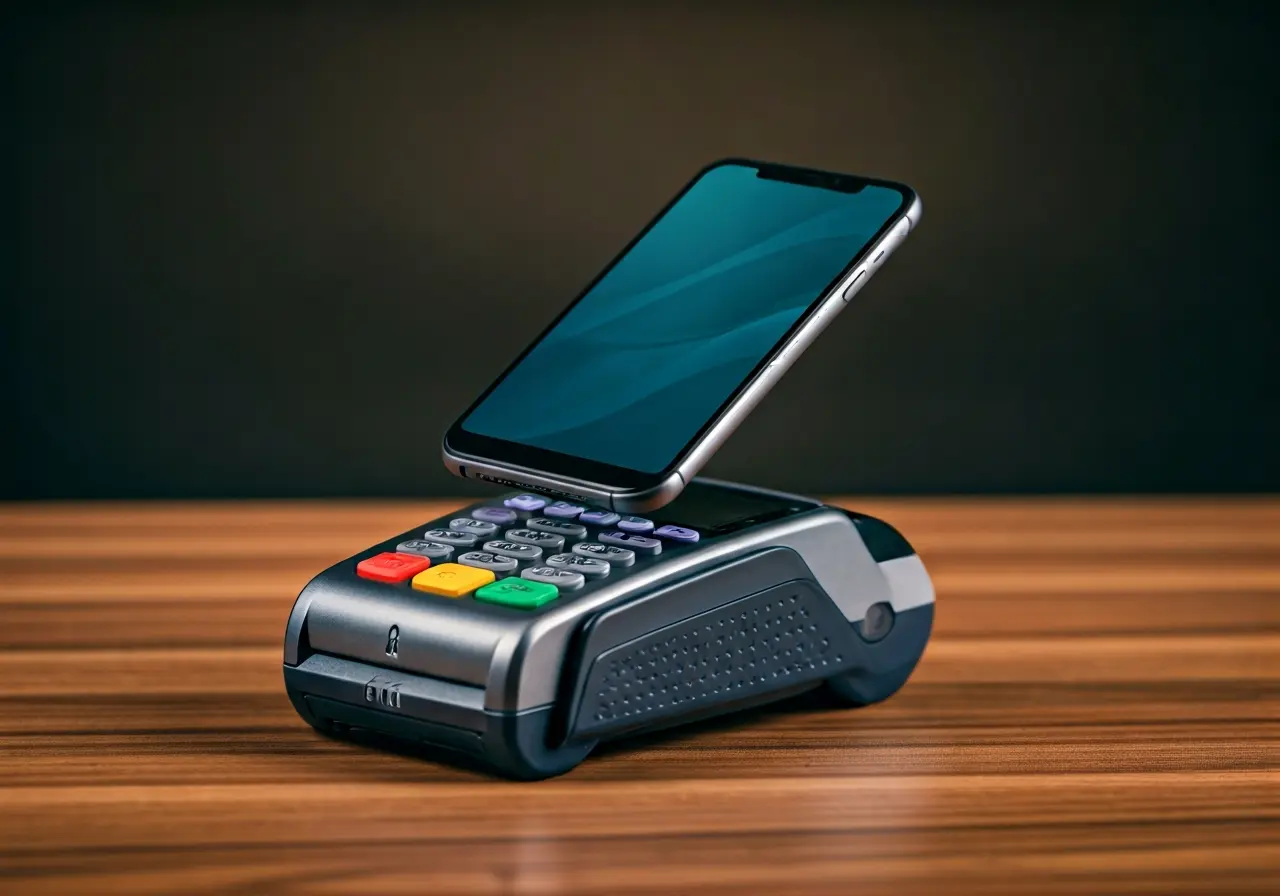
In our fast-paced world, convenience is king, and the way we manage our money is no exception. Gone are the days of counting out cash or fumbling for change. With the rise of contactless payment, transactions are becoming quicker, easier, and more secure. In this article, we will explore how contactless payment has revolutionized the way we pay, the technology behind it, and what the future holds for this modern approach to payments.
The Evolution of Payment Systems
Payment systems have come a long way from barter trades and paper money to credit cards and now contactless transactions. This evolution has been driven by the need for greater convenience and security in financial transactions. Contactless payment technologies such as RFID and NFC are at the forefront of this revolution, providing users with a seamless experience that aligns with our digital age.
Throughout history, each step in the evolution of payment systems aimed to reduce transaction time and improve user experience. When credit cards first emerged, they transformed how people paid by offering unmatched convenience. However, the need for speed didn’t stop there. The introduction of contactless payment began a new chapter, eliminating the physical barriers associated with swiping cards or handling cash. With this method, users simply tap their devices, be it a card, phone, or wearable gadget, against a reader, cutting down time significantly in high-traffic environments like retail or public transport.
How Contactless Payment Works
Contactless payments are powered by Near Field Communication (NFC) technology, which enables two devices to communicate wirelessly when they are close together. This allows payment information to be transmitted quickly and securely without the need for physical contact between the payment device, like a smartphone or contactless card, and the payment terminal.
The magic behind contactless payment might seem complex, but it’s beautifully simple. At its core, NFC technology facilitates data exchange using an electromagnetic field when devices are close by. Imagine it as a handshake occurring between your card and the terminal, verifying that both parties agree to the transaction. Importantly, this interaction does not require any powering from the card, positioning NFC as not only convenient but energy-efficient. As this technology evolves, it’s being integrated into everyday devices beyond cards, from watches to key fobs, further broadening its accessibility.
Benefits of Going Contactless
The rise of contactless payments brings numerous benefits. For consumers, it means quick and hassle-free transactions, enhanced security features that protect against fraud, and the versatility to use various devices to complete purchases. For businesses, it offers streamlined operations, faster checkouts, and the ability to handle more transactions efficiently.
One of the standout advantages of contactless payments is the added layer of security it provides. Traditional magnetic stripe cards hold static information, making them vulnerable to skimming. In contrast, contactless systems use tokenization to secure transactions. This method replaces sensitive card details with unique codes, ensuring that even if data were intercepted, it would be meaningless on its own. For businesses, this means fewer instances of fraud, which in turn preserves customer trust and reduces losses linked to fraudulent activities.
On the user experience front, contactless technology contributes to a futuristic shopping experience. Shoppers can now scan products through smartphone apps and complete payments in the blink of an eye, eliminating the frustration of waiting in line. This convenience fosters greater customer satisfaction, encouraging them to return to businesses that prioritize seamless transactions. As consumer expectations shift towards immediacy, adopting contactless solutions positions businesses as leaders in innovation, further enhancing their reputations in competitive markets.
Security Concerns and Solutions
While contactless payments are generally secure, there are concerns about data privacy and fraud. However, advances in encryption and tokenization have been implemented to ensure that sensitive information is protected during transactions. These measures help preserve user trust and enhance the overall security landscape of contactless payments.
The concerns surrounding data privacy in contactless payment systems are not unfounded, especially as cyber threats become more sophisticated. However, the industry continues to innovate with security measures that address these concerns effectively. Tokenization, for instance, substitutes card information with encrypted data, which is used only once. Even if a transmission were intercepted, the absence of actual card details mitigates risks significantly. Furthermore, companies are increasingly using machine learning algorithms to detect and prevent fraudulent activities in real-time, safeguarding users’ assets proactively.
Another aspect of security in the contactless payment realm is customer empowerment through control features. Many apps allow users to set spending limits or receive instant transaction alerts, enabling them to monitor their accounts actively. In turn, this proactive management of finances equips users with the tools to notice any discrepancies and respond immediately. The combination of advanced technology and customer engagement in ensuring security makes contactless payment systems robust against intrusions, offering a reliable and trustworthy method of handling finances.
The Future of Contactless Payment
As technology continues to advance, we can expect to see even more innovations in contactless payments. Upcoming trends may include biometric payments, integration with smart devices, and the expansion of contactless technology into public transport, retail, and beyond. The future undoubtedly holds exciting developments for this increasingly popular form of payment.
Looking ahead, the integration of biometric authentication in contactless payments is poised to revolutionize security and convenience. Imagine completing a payment with just a fingerprint or facial recognition. These technologies not only streamline the transaction process but also offer unparalleled security, as biometrics are inherently unique to each individual, making it significantly harder for unauthorized access. Additionally, the rise of Internet of Things (IoT) devices suggests that contactless payments could extend further into everyday gadgets, turning items like smart refrigerators and cars into potential payment gateways.
Embracing a Cashless Future
As we’ve seen, contactless payments offer a multitude of benefits, from speed and convenience to enhanced security. With technology constantly evolving, the future holds exciting possibilities for the way we manage our money. Embracing these changes not only simplifies our daily lives but also paves the way for a more secure and efficient financial landscape. It’s clear that contactless payment is not just a trend but a fundamental shift in how we approach transactions. For those ready to embrace this evolution, SwiftPayments is at the forefront, offering innovative solutions for both consumers and businesses to thrive in a cashless world. Learn more about SwiftPayments today.