
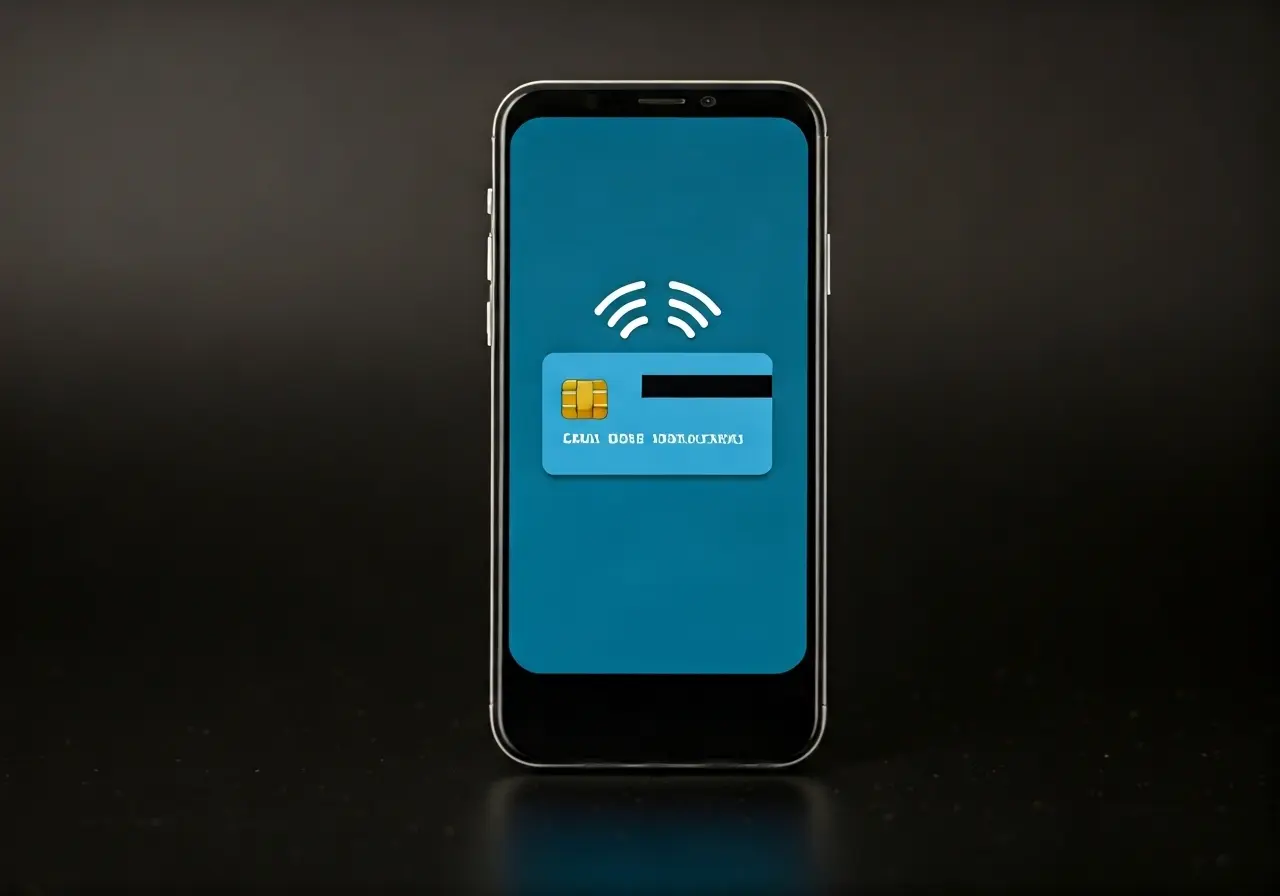
The world of mobile credit card processing is rapidly evolving, offering new and exciting possibilities for businesses and consumers alike. In this blog, we’ll explore the latest trends, technologies, and considerations shaping the future of mobile payments.
The Rise of Mobile Credit Card Processing
Mobile credit card processing has emerged as a powerful tool for businesses, providing flexibility and convenience. With the increasing use of smartphones, more customers expect the ability to make payments on-the-go. This shift is part of a broader trend towards digital transactions, which are predicted to surpass cash payments in the near future.
The ease of use and accessibility of mobile payment systems are key drivers of their adoption. Consumers appreciate the ability to pay quickly and securely, without having to deal with the inconvenience of cash. Businesses, on the other hand, benefit from faster transactions and the ability to offer their customers a seamless payment experience. As these trends continue, the demand for robust mobile credit card processing solutions only grows stronger.
Key Technologies Driving Innovation
Several technologies, like NFC and cloud-based payment solutions, are revolutionizing how we make transactions. These advances ensure secure, fast, and efficient payment processing. Near Field Communication (NFC) allows for contactless payments, which have become increasingly popular due to their convenience and speed. In addition to NFC, cloud-based solutions offer businesses scalable and flexible options, enabling them to process payments from virtually anywhere.
Artificial Intelligence (AI) is another transformative technology in this space. AI is being used to enhance fraud detection systems, ensuring that transactions are not only fast but also secure. By analyzing transaction data and identifying unusual patterns, AI can help prevent fraud before it occurs. This is a crucial feature, especially as the volume of mobile transactions continues to rise.
Benefits for Businesses and Consumers
For businesses, mobile credit card processing offers reduced transaction times and increased customer satisfaction. Consumers benefit from the convenience of making payments anytime, anywhere. The efficiency of mobile transactions can boost sales during peak shopping times, as customers are less likely to abandon purchases out of frustration with long checkout lines.
Mobile payment solutions also provide valuable data insights for businesses. By analyzing transaction data, companies can better understand customer preferences and purchasing habits, allowing them to tailor their marketing strategies more effectively. This data-driven approach can lead to improved customer engagement and loyalty.
Moreover, the flexibility provided by mobile payments allows small and medium-sized enterprises (SMEs) to compete with larger corporations. By adopting mobile payment solutions, SMEs can offer competitive customer experiences similar to those offered by big box retailers and e-commerce giants, thus leveling the playing field.
Security Considerations in Mobile Payments
As mobile payment adoption grows, so does the importance of security. Ensuring encryption, tokenization, and compliance with security standards is critical to protect sensitive data. Encryption ensures that sensitive information is securely transmitted, while tokenization replaces sensitive data with unique identifiers that cannot be exploited by hackers.
Financial institutions and payment providers are also implementing multi-factor authentication (MFA) to enhance security. MFA requires users to provide additional verification, such as a fingerprint or a temporary code received via SMS, before completing a transaction. This adds an extra layer of security, particularly useful in preventing unauthorized access to accounts.
Despite these advancements, ongoing vigilance and innovation in mobile payment security are essential. The rise of cyber threats highlights the need for constant improvement and collaboration between businesses and technology providers to ensure consumer trust and protect against potential breaches.
Future Trends to Watch
Emerging trends, such as the integration of AI and the rise of cryptocurrency, are shaping the future of mobile payments. These innovations promise to further enhance the payment landscape. Cryptocurrencies like Bitcoin and Ethereum are being accepted by more retailers, showcasing a growing acceptance of digital currencies in mainstream commerce.
In addition, biometrics such as fingerprint and facial recognition technology are being integrated into mobile payment systems to enhance both the security and convenience of transactions. This technology allows users to authenticate payments quickly, reducing the need for passwords or PINs. As biometric systems become more sophisticated, they are anticipated to play a significant role in the future of mobile payments.
The ongoing development of 5G networks will also have a significant impact on mobile credit card processing. With faster connection speeds and lower latency, 5G technology will enable smoother and more reliable mobile transactions, making the checkout process more seamless for consumers and businesses alike.
Embracing the Future of Mobile Payments
As we move forward, mobile credit card processing will continue to redefine the way we conduct transactions. By embracing these changes, businesses can enhance customer experiences and streamline operations. Staying informed and adaptable will be key in navigating this dynamic landscape.