
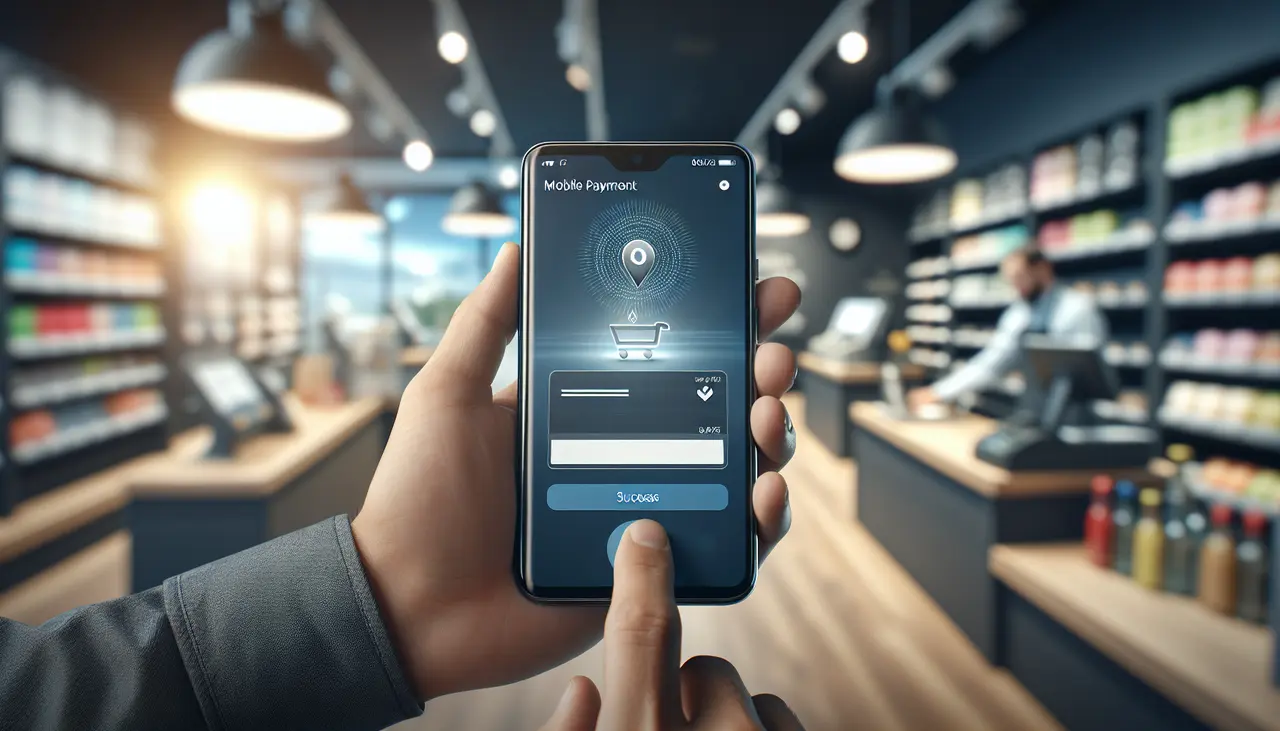
Mobile payments are transforming the retail landscape, offering convenience and flexibility for both retailers and customers. In this simple guide, we’ll walk you through practical tips to seamlessly integrate this technology into your store.
1. Understanding Mobile Payments
Before diving into implementation, it’s crucial to grasp what mobile payments entail and how they can benefit your retail operations. Mobile payments refer to transactions made through mobile devices, allowing customers to purchase goods and services conveniently with their smartphones or tablets. This technology offers benefits such as increased transaction speed, reduced processing costs, and the potential to attract tech-savvy customers who prefer digital payment methods.
Understanding customer behavior is vital. Many people now prefer using digital wallets like Apple Pay, Google Pay, or Samsung Pay because of their ease and convenience. By adopting these methods, you tap into a market of customers seeking faster checkouts and enhanced security. Moreover, with the rise of contactless payments, it’s important to offer payment options that align with current consumer trends, providing not only comfort but also safety, especially in a post-pandemic world.
2. Choosing the Right Provider
With various providers available, select one that aligns with your business needs and offers reliable security features. Consider factors such as transaction fees, integration capabilities, and compatibility with existing POS systems. Look for providers that offer robust support and transparency in pricing to avoid unexpected costs down the line.
Security shouldn’t be an afterthought. Choose a payment provider that prioritizes secure transactions and is compliant with PCI standards. Additionally, understanding the customer service offerings of your chosen provider can be a differentiator—opt for those with responsive support to address any issues swiftly. Understanding your options in the mobile payment provider landscape can guide you to make a well-informed decision.
3. Simplifying the Payment Process
Ensure your payment process is straightforward and user-friendly to avoid any potential customer frustration. The easier it is for customers to complete transactions, the more likely they are to return. Streamlining involves reducing steps in the purchasing process and ensuring a smooth checkout experience.
Design the payment interface with clarity and simplicity in mind. Minimize clutter on the screen and highlight essential payment options. Quick success at the checkout resonates well with customers, leaving a lasting impression. Furthermore, providing multiple mobile payment options caters to a wider range of customer preferences, increasing satisfaction and sales.
4. Training Your Staff
Equip your team with the necessary skills to confidently handle mobile payments, ensuring a smooth checkout experience. Comprehensive staff training programs are crucial for helping your team adapt to new technologies, improving their comfort level and efficiency at the point of sale.
Implement hands-on training sessions that cover various scenarios your staff might encounter. Regularly update training materials as technology evolves to keep everyone informed about the latest developments in mobile payment systems. Moreover, giving employees a chance to use the payment systems themselves during training ensures they become familiar with both the user interface and troubleshooting common issues. Empowered staff lead to a more productive and confident team, ready to assist customers with any queries regarding mobile payments.
5. Enhancing Customer Experience
Focus on providing a seamless and efficient transaction experience that leaves customers satisfied and eager to return. A positive payment experience is a crucial part of customer service, making a lasting impression and enhancing brand loyalty.
Encouraging feedback from customers on their mobile payment experience can provide insightful data to improve your systems. Consider implementing loyalty programs and discounts that are easily accessible through mobile payment platforms. This not only rewards your returning customers but also incentivizes new users to opt for mobile payment options. As customer expectations evolve, strive to exceed them by offering personalized experiences, further cementing customer loyalty and increasing repeat business.
6. Promoting Mobile Payment Options
Let your customers know about the new payment methods available by promoting them through in-store signage and digital channels. Visibility is key to adoption, so ensure customers are aware of their options the moment they enter the store.
Engaging your customers through email campaigns, social media posts, and push notifications can increase awareness about your mobile payment solutions. Highlight the benefits, such as quicker transactions and greater convenience, to encourage customers to try them out. In addition, running limited-time promotions or discounts accessible through mobile payments can entice customers to use these modern payment methods, familiarizing them with the process and fostering a habit of using mobile options regularly.
7. Ensuring Data Security
Implement robust security measures to protect sensitive information and build customer trust in your payment systems. Keeping customer data secure is crucial for maintaining credibility and legal compliance.
Deploy industry-standard encryption technologies to safeguard transactions and customer information. Regularly audit your systems to identify vulnerabilities and take proactive steps to patch them. Training staff on best security practices is also vital. Remind them about the importance of vigilance and the role they play in maintaining a secure transaction environment. By prioritizing data security, you’re investing in building a trustworthy brand that customers feel safe doing business with.
8. Staying Compliant with Regulations
Keep abreast of legal requirements and ensure your mobile payment systems are compliant with industry standards. Non-compliance can result in severe penalties and reputational damage.
Consult with legal experts or use compliance software to remain updated on the latest regulations. Ensure your systems are adapted to meet standards such as GDPR for customer data and EMV for processing payments. Compliance not only protects your business from potential fines but also reassures customers that their information is handled responsibly. Staying knowledgeable about regulatory changes is an ongoing process, so establishing a protocol for regular updates and audits is essential for maintaining compliance and trust.
9. Monitoring Transaction Analytics
Use analytics to track payment trends, identify areas for improvement, and optimize your payment process. Data analytics can provide invaluable insights into customer behavior and transaction patterns.
By analyzing transaction data, you can uncover user preferences, peak shopping times, and seasonal trends. Utilize this information to tailor promotions and optimize staffing levels to meet customer demand efficiently. Enhanced analytics also allow for the early detection of any anomalies or potential fraud, safeguarding both your business and your customers. Investing in the right analytics tools can help you gain a competitive edge by refining your payment strategies and making data-driven decisions.
10. Offering Customer Support
Provide accessible support to assist customers with any mobile payment issues, reinforcing trust in your services. Having a dedicated support team can significantly enhance the overall customer experience.
A clear communication channel is vital for resolving any issues swiftly. Whether through phone, email, or live chat, ensuring customers can easily reach support can prevent dissatisfaction and showcase your commitment to service. Incorporate FAQs and self-help resources on your website for quick reference. A well-supported customer is a satisfied customer, more likely to return and recommend your store to others. Offering timely support reflects positively on your brand and establishes reliable customer relations.
11. Adapting to Technology Changes
Stay informed of technological advancements in mobile payments and be ready to adapt your systems accordingly. Technology is ever-evolving, and keeping pace is crucial for staying competitive in the retail landscape.
To remain at the forefront, subscribe to industry newsletters, attend webinars, and participate in forums where the latest innovations in payment technologies are discussed. Regularly assessing your system’s current capabilities and making necessary upgrades can prevent your business from falling behind. By being proactive about integrating new technologies, you not only enhance customer experience but also streamline your operations for greater efficiency and growth.
12. Evaluating System Performance
Regularly assess your payment systems to ensure optimal performance and make improvements as needed. Continuous evaluation helps in identifying bottlenecks and ensuring high operational efficiency.
Conducting regular performance audits can reveal system weaknesses that may affect transaction speed or reliability. Collaborate with IT specialists to run diagnostics and implement performance enhancements. Staying agile with system performance optimizations not only improves customer satisfaction but also reduces downtime and potential revenue loss. By prioritizing system evaluation, your retail store remains equipped to provide fast, reliable, and secure transactions, setting the stage for ongoing innovation and success.