
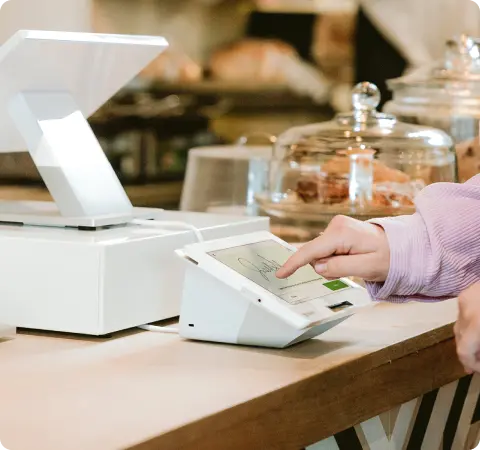
In today’s fast-paced retail environment, offering an exceptional customer experience is more crucial than ever. Point of Sale (POS) systems have evolved significantly to become a central component in achieving this goal. Whether you’re a small business or a large retailer, leveraging the latest POS technology can streamline operations and delight your customers. This article explores various ways POS systems can enhance the customer experience.
1. Streamlined Checkout Processes
A quick and efficient checkout is vital for customer satisfaction. POS systems simplify transactions, reducing wait times and ensuring customers leave with a positive impression. Imagine walking into a store, grabbing the items you need, and breezing through a checkout line without any hassle. POS systems make this a reality by speeding up the transaction process, allowing staff to focus more on customer service rather than manual entry tasks.
Moreover, with features like contactless payments and self-service kiosks, customers can complete their purchases even faster, enhancing their overall shopping experience. This cutting-edge technology caters to the modern consumer’s desire for convenience and efficiency, helping businesses stay ahead of the competition while keeping their customers happy.
2. Enhanced Payment Flexibility
Modern POS systems support multiple payment methods, from credit cards to mobile payments, accommodating customer preferences and ensuring a smooth payment experience. By embracing digital wallets and contactless payment solutions, businesses can cater to a diverse clientele who expect flexibility in how they pay. For instance, offering frictionless payment options such as Apple Pay or Google Wallet not only speeds up the checkout process but also aligns with current trends in consumer behavior.
Furthermore, these systems can handle currency conversions and multiple payment methods seamlessly, making them ideal for businesses with an international customer base. By providing flexible payment options, businesses can enhance customer satisfaction and foster loyalty, encouraging repeat visits and positive word-of-mouth.
3. Personalized Customer Interactions
POS systems collect and analyze purchase history data, allowing businesses to tailor interactions and recommend products, creating a more personalized shopping experience. This capability is akin to having a knowledgeable sales assistant who knows a customer’s preferences by heart, offering suggestions that resonate with them personally.
For instance, if a customer frequently buys a particular brand or product, the POS system can alert the staff to suggest related items or inform the customer about upcoming promotions. This not only enhances the shopping experience but also builds a stronger connection between the business and its clientele, encouraging loyalty and repeat business.
4. Improved Inventory Management
With real-time inventory tracking, POS systems ensure that customers find the products they want in stock, minimizing disappointment and enhancing satisfaction. When stock levels are automatically updated with each transaction, businesses can keep popular items readily available and identify when restocking is necessary.
This feature becomes indispensable during high-demand seasons or special promotions. Businesses can avoid the common pitfalls of overstocking or stockouts, thus maintaining a smooth operational flow and ensuring that customer expectations are consistently met.
5. Loyalty Program Integration
Easily integrate loyalty programs into your POS system to reward loyal customers with points and discounts, encouraging repeat business and enhancing the customer experience. By automating the tracking of customer purchases and rewarding them accordingly, businesses can foster a sense of appreciation and encouragement for continued patronage.
Moreover, loyalty programs can be customized to suit the preferences of different customer segments, offering personalized rewards and incentives. This not only strengthens customer relationships but also provides valuable insights into purchasing patterns and preferences, helping businesses refine their marketing strategies further.
6. Customer Feedback Collection
POS systems can prompt satisfaction surveys or feedback requests at the point of purchase, enabling businesses to gather vital customer insights. Collecting feedback immediately after a transaction ensures that the experience is fresh in the customer’s mind, leading to honest and constructive responses.
These insights can guide businesses in tailoring their services and addressing any issues promptly. Moreover, demonstrating responsiveness to feedback by implementing suggested changes can enhance overall customer satisfaction and foster a culture of continuous improvement within the business.
7. Faster Return Processing
Streamlined return processes through POS systems make handling returns hassle-free, improving customer trust and encouraging future purchases. A POS system that facilitates quick returns and refunds, with features such as digital receipts and easy tracking, reassures customers that the business values their convenience.
This approach not only boosts customer confidence but also minimizes the potential frustrations that often accompany return transactions. As a result, customers are more likely to return to a store that provides a stress-free experience, both for purchases and returns.
8. Security Features to Protect Data
Robust security measures in POS systems protect customer data, fostering trust and reinforcing the business’s commitment to safeguarding sensitive information. With increasing concerns about data breaches, a secure POS system is essential for maintaining customer trust and ensuring compliance with privacy regulations.
Advanced security features such as end-to-end encryption and tokenization help protect customers’ personal and financial information from cyber threats. By prioritizing data security, businesses not only protect their customers but also their own reputation, reinforcing their status as a trustworthy and reliable entity in the marketplace.
9. Insights Through Analytics
POS systems provide detailed analytics, helping businesses make informed decisions and improve customer service strategies based on data-driven insights. These analytics can reveal trends in customer behavior, sales patterns, and staff performance, offering a comprehensive view of business operations.
By leveraging this information, businesses can fine-tune their strategies to meet customer needs more effectively. For example, identifying peak shopping hours or best-selling items enables businesses to optimize staffing and inventory levels, ensuring they consistently meet customer expectations.
10. Multi-Channel Selling Support
POS systems enable businesses to sell across various platforms, whether in-store, online, or through mobile, providing a consistent and convenient shopping experience. This omnichannel approach allows customers to interact with the business in a way that suits their personal preferences, enhancing their overall experience.
Whether a customer prefers to browse and buy online, pick up in-store, or explore mobile shopping options, a well-integrated POS system offers the seamless connectivity needed to execute these transactions smoothly. This adaptability is key to maintaining a competitive edge in today’s diverse retail landscape.
11. Enhanced Staff Management
Efficient staff management features in POS systems help businesses streamline employee schedules and productivity, leading to better customer service. With features like shift scheduling, time tracking, and performance reporting, businesses can ensure that staff are utilized effectively, aligning with customer traffic and demand.
This not only maximizes employee productivity but also ensures that customers receive prompt and attentive service. By optimizing staff allocation and identifying training needs through POS data, businesses can enhance the quality of customer interactions and boost overall satisfaction levels.
12. Seamless Integration with Other Systems
Modern POS systems integrate smoothly with other business tools and platforms, ensuring unified operations that ultimately lead to enhanced customer experiences. Whether it’s linking with CRM systems, accounting software, or marketing platforms, this integration allows for seamless data flow and comprehensive operational control.
Such integration enhances efficiency by reducing manual entry errors and providing real-time insights into business performance. As a result, businesses can focus more on enhancing customer satisfaction and less on administrative tasks, contributing to a more enjoyable shopping journey for their clients.