
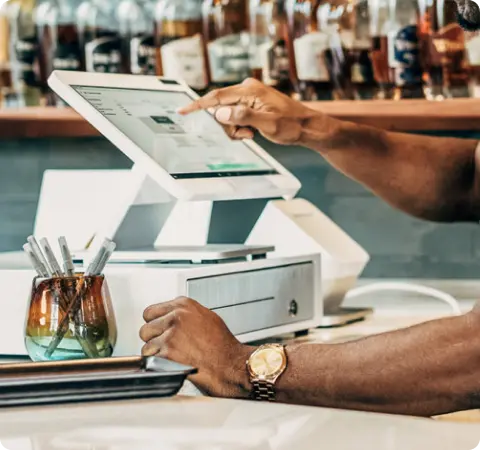
In today’s fast-paced dining environment, offering an exceptional customer experience can set your restaurant apart. A dependable Restaurant POS (Point of Sale) system is a game-changer that can elevate both efficiency and service quality. Let’s explore how a clever use of technology can transform the dining experience for your guests.
1. Streamlining Order Processing for Faster Service
In a busy restaurant setting, time is of the essence. Imagine the efficiency of a service that operates like clockwork — that’s what an optimized POS system offers. By decreasing the bottleneck at the point of order entry and processing, staff can focus more on providing a memorable dining experience rather than troubleshooting delays. With features such as touchscreen ordering and wireless connectivity, the order processing becomes not just a transaction but a seamless interaction between the staff and the kitchen. This paves the way for a quicker service as it reduces wait times and simultaneously improves the accuracy of the process. Furthermore, during peak dining hours, this efficiency ensures that the kitchen remains well-organized and less prone to errors, ultimately leading to a satisfied clientele.
Moreover, a POS system integrated with handheld devices allows servers to remain at tableside, reducing foot traffic and enhancing efficiency. By processing orders and managing billing right where the action happens, restaurants can maximize staff productivity and improve customer service. Integrating mobile ordering also plays a significant role, as it simplifies the way customers interact with your restaurant. Particularly during weekends and festive seasons, a streamlined system can be a vital asset in decreasing congestion and improving turnover rates. It’s like having your very own time manager within your restaurant.
2. Enhancing Accuracy to Minimize Errors
The last thing any diner wants is to receive an incorrect order. By employing a POS system, you vastly mitigate the chance of these inaccuracies occurring. Every item is logged with precision, paving the way for accurate communication between the dining area and the kitchen. When orders are entered digitally, the risk of it being lost in translation is greatly reduced. This not only prevents potential disputes but also adds to the reputation of the establishment for delivering what it promises. For repeat customers, this system preserves preferences, ensuring their satisfaction time and again.
Advanced POS solutions can include features like on-screen modifiers and detailed order notes, which are invaluable for documenting specific customer preferences or dietary restrictions. This thorough documentation aids in ensuring every meal matches the customer’s expectations and culinary restrictions, if any. From a restaurateur’s perspective, these systems become a critical part of ensuring quality control throughout the dining experience.
3. Facilitating Seamless Payment Options
The checkout experience leaves a lasting impression on your customers. In a world where convenience reigns supreme, offering multiple payment avenues is no longer just a perk but a necessity. Whether your patrons prefer using a credit card, debit card, or even contactless payment options, a robust POS system integrates all of these seamlessly. There’s something reassuring about a smooth, hassle-free transaction, and it starts and ends with the right technology. Moreover, these systems offer encrypted transactions, ensuring that customer data remains safe and secure during the payment process.
Additionally, with the growing trend of digital wallets and mobile payment options, adapting to these evolving methods with a modern POS system caters to a broader customer base. The inclusion of these options signifies that your restaurant is keeping pace with technological trends, thus appealing to a tech-savvy audience. Secure and quick, the right POS can help speed up table turnover rates by minimizing the traditional wait for card transactions, turning payment into something effortless and swift.
4. Personalizing Customer Interactions
There’s no greater feeling for a customer than being seen and appreciated. With a fully-featured POS system, you can provide such personalized experiences through the collection and intelligent use of customer data. Detailed summaries of past orders and preferences allow your staff to tailor each dining experience to the individual, creating a unique and welcoming atmosphere. Regular patrons feel recognized and valued, resulting in increased loyalty and positive word-of-mouth marketing for your establishment.
5. Enabling Efficient Inventory Management
Inventory mismanagement is a common pain point in the restaurant industry. An advanced POS system provides real-time monitoring of stock levels, offering alerts when supplies run low. This functionality minimizes food waste and ensures that your menu remains fully available to meet customer demands. Furthermore, having an up-to-date inventory can help in negotiating better deals with suppliers, resulting in cost savings for the restaurant.
Keeping track of your ingredients in real-time also provides insights into popular dishes and seasonal trends, allowing for smarter menu planning. Imagine the efficiency gained from knowing exactly when to reorder ingredients based on past consumption patterns. This not only leads to better stock management but can also inform future promotional offers, enhancing customer satisfaction by ensuring their favorite menu items are always available.
6. Increasing Table Turnover with Quick Table Management
Managing tables effectively is crucial for maximizing revenue, especially during peak hours. The restaurant floor can be somewhat of a dance — efficiently coordinating seating arrangements and turnover without sacrificing the quality of service. A POS system steps in as the ultimate maestro, enabling staff to manage the floor plan with ease. By swiftly updating table statuses and facilitating quick communication between servers and the kitchen, these systems help in minimizing wait times while ensuring that no reservation slips through the cracks.
A quick glance at your digital table chart through the POS system can provide valuable insights into current occupancy, aiding both in-the-moment decisions and long-term strategy. With data at your fingertips, decisions that were once troublesome become effortless, leaving more time for creating memorable experiences for each guest.
7. Offering Insights Through Reporting and Analytics
In the restaurant business, knowledge is power. The rich analytical tools accompanying a modern POS system turn data collection into a storytelling exercise. Through comprehensive reporting options, restaurant owners gain insights into sales patterns, peak dining times, and popular menu items, allowing them to make informed decisions. This ability to analyze and act on key metrics helps fine-tune operations, marketing strategies, and ultimately enhance the guest experience.
Whether it’s reducing food waste or identifying opportunities for staff retraining based on peak service times, the right analytics can provide actionable insights. By leveraging this data, restaurants not only address immediate challenges but also position themselves strategically for long-term success. Insights drawn from customer interactions and preferences empower a restaurant to offer tailored experiences, reinforcing customer loyalty and increasing word-of-mouth recommendations.
8. Supporting Loyalty Programs and Promotions
Loyalty is the lifeblood of a sustainable business model. Through integrated POS features, setting up and managing a loyalty program becomes a breeze. By recognizing and rewarding repeat customers with exclusive offers or discounts, these programs foster a sense of belonging and appreciation. Knowing your customers’ preferences and using this data to provide personalized promotional offers ensures customers feel special and valued, creating a win-win scenario.