
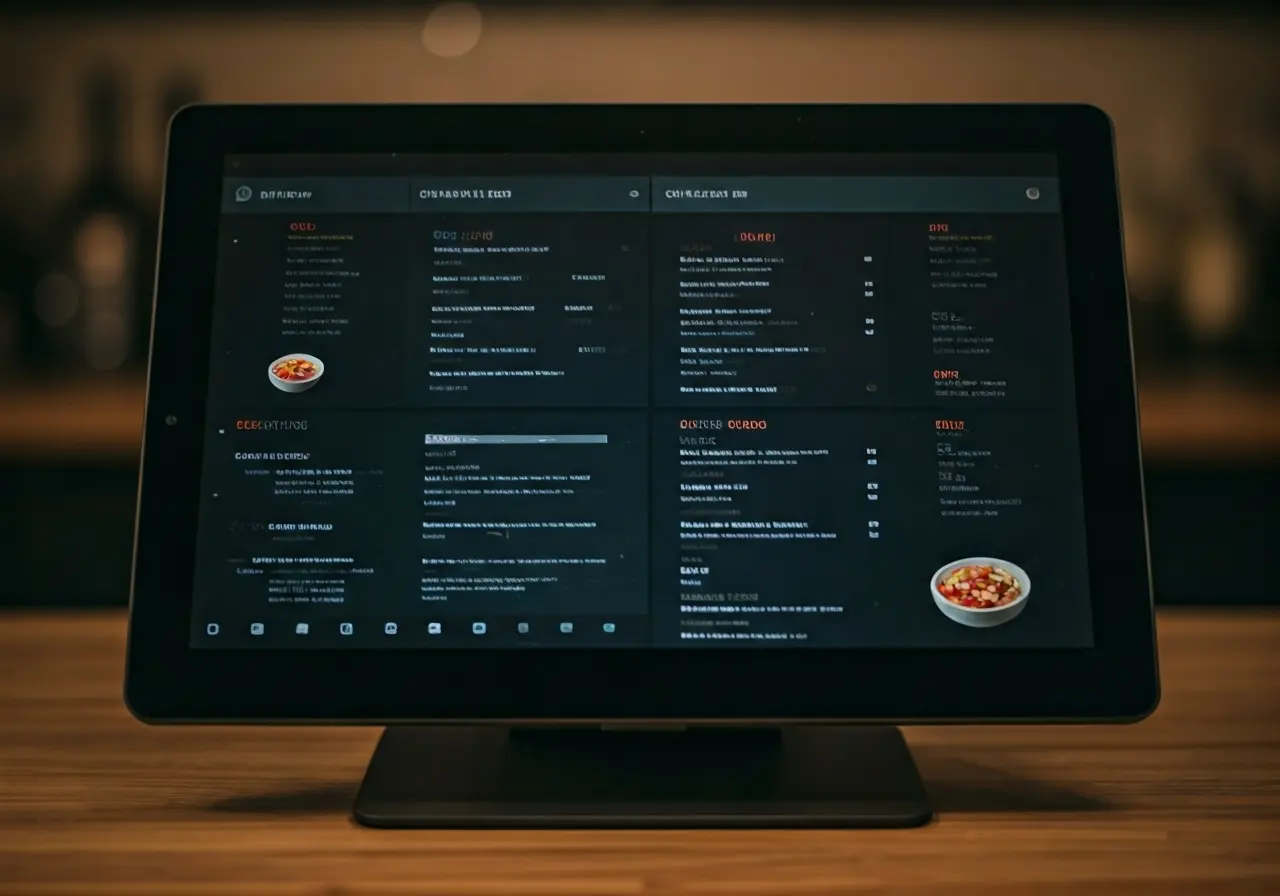
In the fast-paced world of food service, having the right tools can make all the difference. A top-notch restaurant POS system not only streamlines operations but also enhances customer experience. In this blog, we’re diving into the key features of restaurant POS systems every owner should be familiar with.
1. Streamlined Order Management
A great restaurant POS system simplifies order management, ensuring that orders are processed quickly and accurately, reducing wait times and improving customer satisfaction. The efficiency brought by features like order modifications and special requests integration can be a game changer. If your restaurant often faces high volume, the capability to handle simultaneous orders effectively through a POS can prevent chaos during peak hours. Furthermore, some systems allow for direct communication between waitstaff and the kitchen, streamlining operations even further.
2. Inventory Tracking and Management
Efficient inventory management helps prevent waste and ensures that popular menu items are always in stock. A POS system with real-time inventory tracking can help manage food costs effectively. Knowing exactly what’s in your stock at any given time not only prevents over-ordering but also supports sustainability by reducing food waste. Advanced POS solutions offer predictive insights through data analytics, helping you forecast inventory needs based on past trends and seasonal variations.
Moreover, integrating inventory management with supplier management ensures automatic restocking alerts and can even automate order placements, reducing manual errors. This level of integration facilitates a seamless flow from stockroom to service, empowering restaurant owners with precise control over their inventory costs and stock levels.
3. Integrated Payment Processing
A seamless payment process is crucial for customer satisfaction. Look for a POS system that supports various payment methods, from credit cards to digital wallets, for a hassle-free checkout experience. With the rise of cashless transactions, having a POS system that accommodates contactless payments is no longer a luxury, but a necessity. This flexibility not only speeds up the checkout process but also caters to customer preferences, enhancing their dining experience.
4. Customer Relationship Management
POS systems with CRM capabilities allow you to keep track of customer preferences, order history, and contact information, enabling personalized service and effective marketing strategies. Personalization can drive customer loyalty, as diners are more likely to return where they feel recognized and valued. CRM-integrated POS systems help you tailor promotions and offers to individual preferences, effectively using data to build greater guest relationships.
Beyond personalization, CRM tools in POS systems can segment customers based on demographics, purchase history, and frequency of visits, providing valuable insights into customer behavior. This segmentation allows restaurant owners to create targeted marketing campaigns, ultimately increasing engagement and revenue.
5. Sales Reporting and Analytics
Detailed sales reports and analytics can provide valuable insights into your restaurant’s performance, helping you make data-driven decisions to boost revenue and optimize operations. By analyzing sales patterns, you can identify which menu items are most popular and which need a strategic push. Furthermore, understanding peak hours and seasonal trends can help in staffing and supply chain decisions, ensuring efficiency and cost-effectiveness.
The ability to visualize data through dashboards allows for quick and easy interpretation of complex data sets. This not only aids in real-time decision making but also positions restaurant owners to capitalize on emerging trends, pivoting strategies dynamically to meet the evolving needs of the market.
6. Table and Reservation Management
Managing tables and reservations efficiently can enhance the dining experience. A POS system with these features ensures smooth coordination between front-of-house and kitchen staff. Automated reservation management minimizes double-bookings and customer wait times. Furthermore, being able to track table turn rates allows for optimal seating arrangements during peak times, maximizing dining capacity and enhancing customer flow throughout the restaurant.
7. Employee Scheduling and Management
Keeping track of employee schedules, hours, and performance is simplified with a POS system that includes staff management tools, leading to better team management and productivity. Automated scheduling based on historical data can reduce labor costs by aligning staffing with demand patterns. Moreover, these tools provide employees with the ability to swap shifts easily and managers to gauge performance through key metrics—all contributing to a more motivated and efficiently managed team.
8. Loyalty Programs and Promotions
Encouraging repeat business is essential for success. POS systems that support loyalty programs and promotions can help boost customer retention and grow your restaurant’s customer base. Tailored rewards systems distinguish your brand while appealing directly to customer desires, converting occasional visitors into regular patrons.
Integrated promotional tools also allow you to launch time-sensitive offers in response to specific events or stock situations, creating urgency and attracting more foot traffic. By strategically utilizing these capabilities, restaurants can cultivate a loyal community of diners who consistently return for both food and exclusive member benefits.
9. Mobile and Tablet Accessibility
Incorporating mobile and tablet POS solutions increases flexibility and efficiency, allowing staff to take orders tableside and offer quicker service. This capability not only minimizes errors by reducing the need for hand-written tickets but also creates a more interactive and engaging dining experience. Whether it’s making reservations, food recommendations, or processing payments digitally, mobile solutions streamline the operational side and enhance customer interaction.
10. Robust Security Features
Protecting sensitive customer data and maintaining secure transactions is vital. Choose a POS system with advanced security features to safeguard your restaurant and its patrons. Encryption and tokenization of payment data are crucial to defend against breaches. Additionally, features like multi-factor authentication and access controls can prevent unauthorized access, ensuring that both customer and business data remain secure at all times.
Regular updates and security patches ensure that your system can withstand the evolving tactics of cyber threats. A POS system that proactively addresses security risks not only fosters customer trust but also protects your restaurant from potential financial losses.