
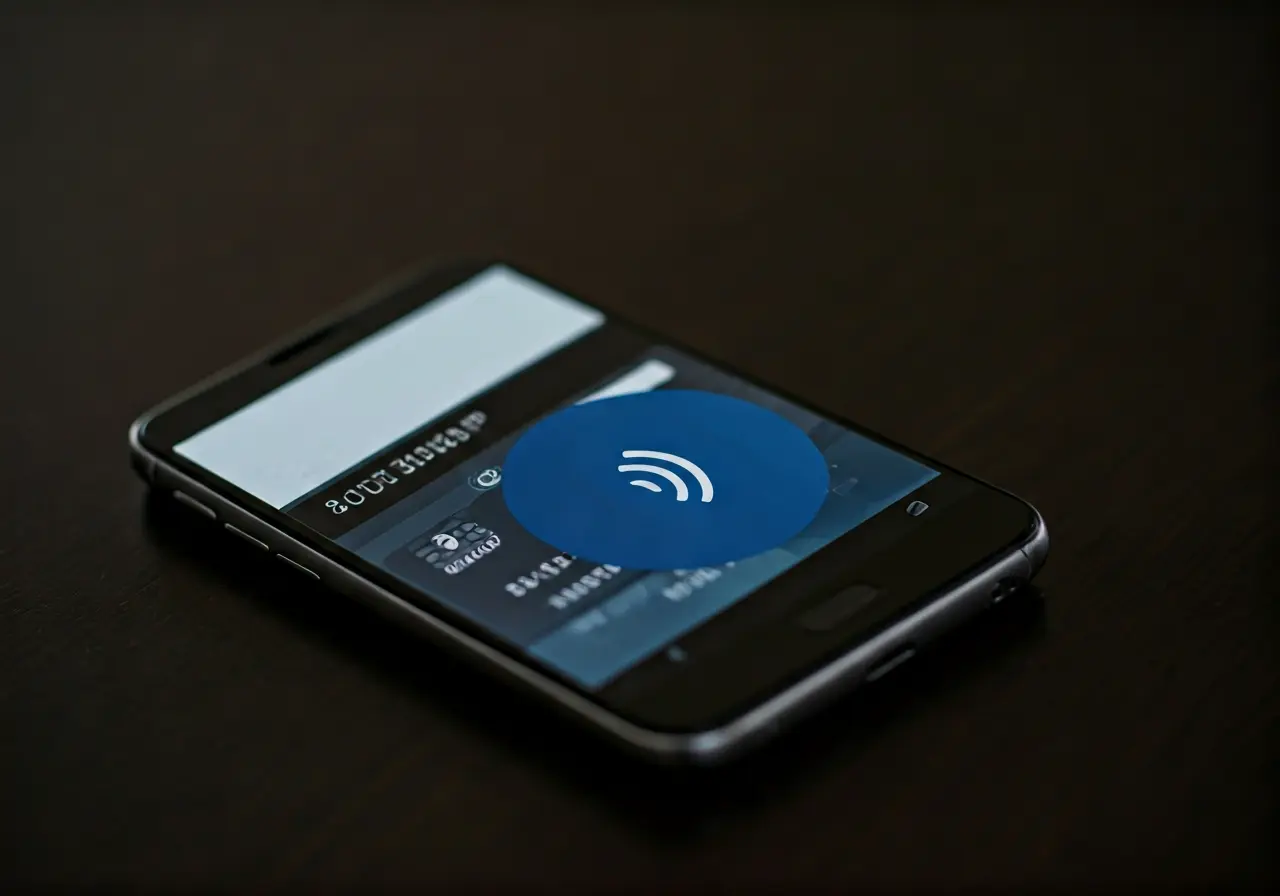
In today’s fast-paced world, mobile payments have become an integral part of our daily transactions. But what exactly are mobile payments, and how do they function? This FAQ blog will guide you through the essentials, making it easier to understand and use mobile payments in your everyday life.
What Are Mobile Payments?
Mobile payments refer to the use of a mobile device to pay for goods or services. This can be done through various technologies, such as mobile wallets, contactless payments, and mobile banking apps.
In essence, mobile payments transform your smartphone or tablet into a digital wallet. Instead of fumbling through a physical wallet, you can simply use your device to make transactions. Whether you’re purchasing in a store or online, mobile payments offer a seamless way to handle transactions without reaching for cash or cards.
Not only do mobile payments offer convenience, but they also support different types of transactions. You can pay at a coffee shop, split bills with friends, or even make an international transaction with a few taps on your phone.
How Do Mobile Payments Work?
Mobile payments work by using near-field communication (NFC), QR codes, or mobile banking networks to facilitate transactions. When you tap your phone or scan a code, your device communicates with a payment terminal to complete the payment.
When using NFC for mobile payments, your device and the payment terminal share encrypted information securely. For instance, when you tap your phone on a terminal, it uses NFC technology to exchange data, affirming your identity and confirming the payment.
Alternatively, QR codes serve as another innovative way to execute mobile payments. By scanning the code displayed on a product or at the checkout counter, your mobile device processes the payment, linking it directly to your bank or credit account.
Types of Mobile Payment Systems
There are several mobile payment systems, including mobile wallets like Apple Pay and Google Pay, peer-to-peer payment apps like Venmo and PayPal, and mobile banking apps provided by your bank.
Mobile wallets allow users to store credit card, debit card, and bank information securely on their devices. When making a purchase, the payment is processed through the wallet instead of directly using sensitive card information.
Peer-to-peer payment apps have grown in popularity due to their ease of use and convenience in sending money to friends or splitting expenses. Venmo and PayPal, for instance, enable quick transfers with just a few clicks and swipes.
Advantages of Using Mobile Payments
Mobile payments offer numerous benefits such as convenience, enhanced security through encryption, and the ability to track spending in real-time. They also reduce the need to carry cash or cards.
One notable feature of mobile payments is the enhanced security. By using encryption and tokenization, mobile payments protect sensitive information, reducing the risk of fraud or data breaches.
Additionally, many mobile payment systems provide built-in budgeting tools that help you keep track of your finances. Being able to monitor your spending habits via your smartphone gives you the power to make smarter financial decisions.
Are Mobile Payments Secure?
Yes, mobile payments are generally secure. They use encryption, tokenization, and biometric authentication to protect your financial information.
Their security measures include creating unique transaction codes that change with each payment, leaving no trace of your actual financial information accessible to potential threats or unauthorized entities.
Furthermore, many mobile payment options allow for multi-factor authentication, using biometric data such as fingerprints or facial recognition, adding an additional layer of personal and technological security.
Getting Started with Mobile Payments
To start using mobile payments, choose a mobile wallet or payment app that suits your needs, add your payment information, and follow the setup instructions within the app.
Many banks offer mobile banking apps that integrate with wide-ranging mobile payment methods, ensuring you have a seamless and integrated financial experience.
Once you have set up your mobile payment app, familiarize yourself with its features and settings. Knowing your app’s security features and limits can help you maximize its benefits while keeping transactions secure.
Embracing the Future of Transactions
Mobile payments have revolutionized the way we manage our finances, offering speed, security, and convenience. By understanding how they work, you can make informed decisions about incorporating them into your financial routine. Whether you’re tech-savvy or just getting started, there’s a mobile payment solution out there for you.